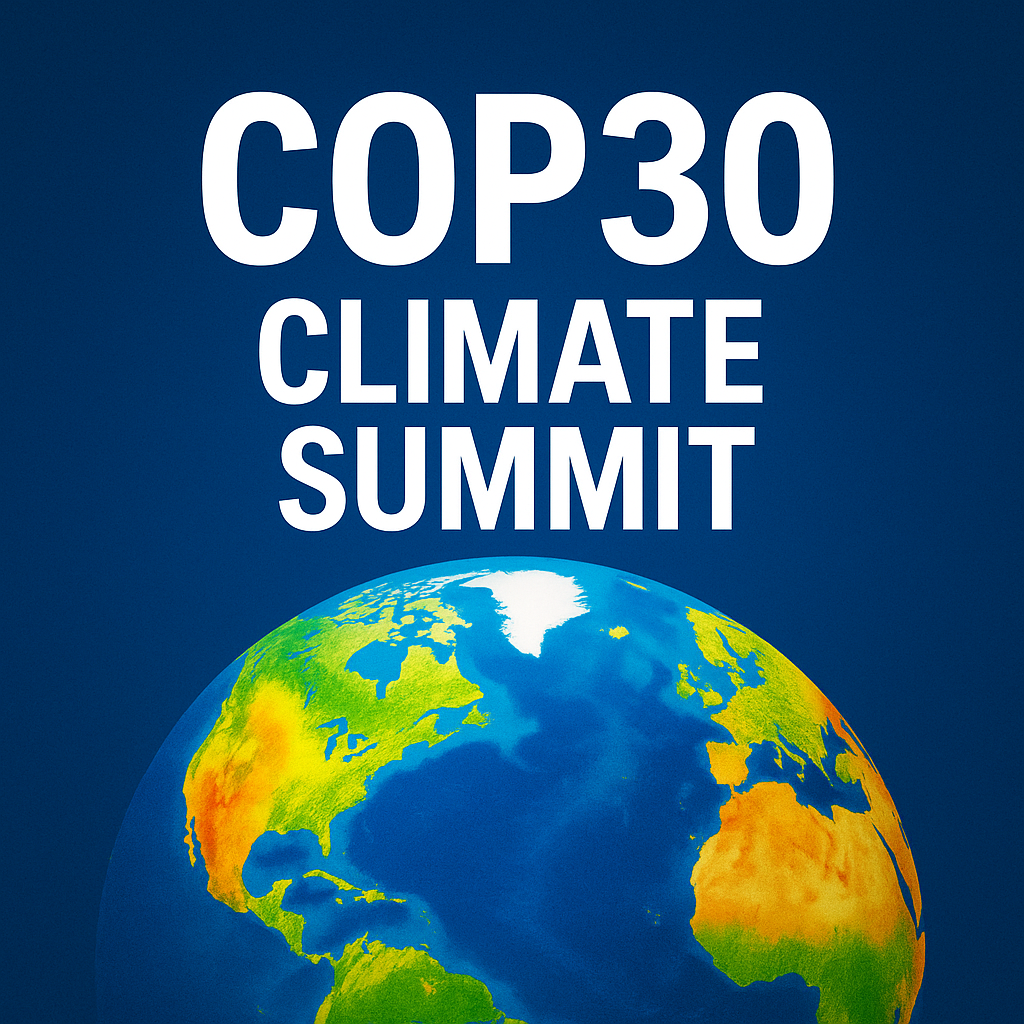
Global Climate Talks: A Mixed Outcome from COP30 in Brazil
🔹 Context — What is COP30?
The 2025 session of the United Nations Framework Convention on Climate Change (UNFCCC), COP30, was held in Belém, Pará, Brazil from 10 to 21 November 2025. This summit brought together world leaders, negotiators, scientists, activists and civil-society groups to discuss pathways for global climate action. Wikipedia+2The Guardian+2
Given intensifying climate threats — rising global temperatures, extreme weather, biodiversity loss, and socio-economic vulnerabilities — hopes were high that COP30 would deliver bold, binding commitments to reduce greenhouse-gas emissions, phase out fossil fuels and provide financial/technical support to vulnerable nations.
⚠️ What Happened — Disagreements, Delays, Compromises
-
The push for a clear, binding roadmap for fossil-fuel phase-out — supported by more than 80 countries — faced strong resistance from major fossil-fuel producing nations. As a result, the final agreement omitted any binding commitment to phase out fossil fuels. The Guardian+1
-
Negotiations over climate finance — particularly funds for adaptation in developing & vulnerable countries — reached another deadlock. Proposed funding commitments were diluted to “voluntary roadmaps,” rather than mandatory obligations. Wikipedia+2The Guardian+2
-
Many civil-society groups and Indigenous communities — some represented in the summit — accused negotiators of “green-washing” and failing to uphold climate justice. Wikipedia+1
✅ What Was Agreed — Small Gains, Symbolic Steps
Despite the stalemate on fossil fuels, COP30 did manage to:
-
Have nations renew their commitment to multilateral climate dialogue — reaffirming the importance of global cooperation over unilateral action. Le Monde.fr+2Politico+2
-
Emphasize increased funding for climate adaptation — though the amounts and timelines remain vague. The summit underscored the need to support developing countries facing immediate climate-related risks. Business Standard+2The Guardian+2
-
Keep climate change firmly on the global agenda — though hopes of a breakthrough have dimmed, participation remains broad and global awareness remains high.
🌐 What This Means — For Countries, Citizens, and the Planet
-
For vulnerable nations: The absence of strong commitments on fossil-fuel phase-out leaves them exposed to worsening climate impacts — from extreme weather, floods, droughts, rising seas. Their reliance on adaptation funding remains urgent, yet uncertain.
-
For global climate action: The diluted outcomes reflect deep fractures in international consensus. The delay in decisive global measures may slow down progress. Critics say global warming targets (e.g. limiting warming to 1.5 °C above pre-industrial levels) are now further out of reach.
-
For future diplomacy: COP30 may mark a turning point — revealing the limits of current global architecture to enforce climate action. Unless major emitters commit to stricter policies, future summits might focus more on adaptation than mitigation.
-
For citizens worldwide: Individuals and communities will increasingly feel climate change consequences — from food and water insecurity, migration pressure, health risks, to livelihood disruptions.
💡 The Takeaway — Dialogue Continues, but Urgency Grows
COP30’s outcome is a stark reminder: global agreement on climate change remains fragile. While the summit helped maintain global dialogue, it failed to deliver the strong, binding commitments many hoped for.
If the world is serious about avoiding catastrophic warming — and protecting humanity and nature — the pressure is now on governments, corporations, and individuals to step up responsibility. Waiting for the next summit won’t be enough; action must begin now.
If you like: I can build a full international-news digest (5–7 stories) summarizing recent major global events — with photos — so you get a broader snapshot of what’s happening worldwide.
What do you feel about this post?

Like

Love

Happy

Haha

Sad